
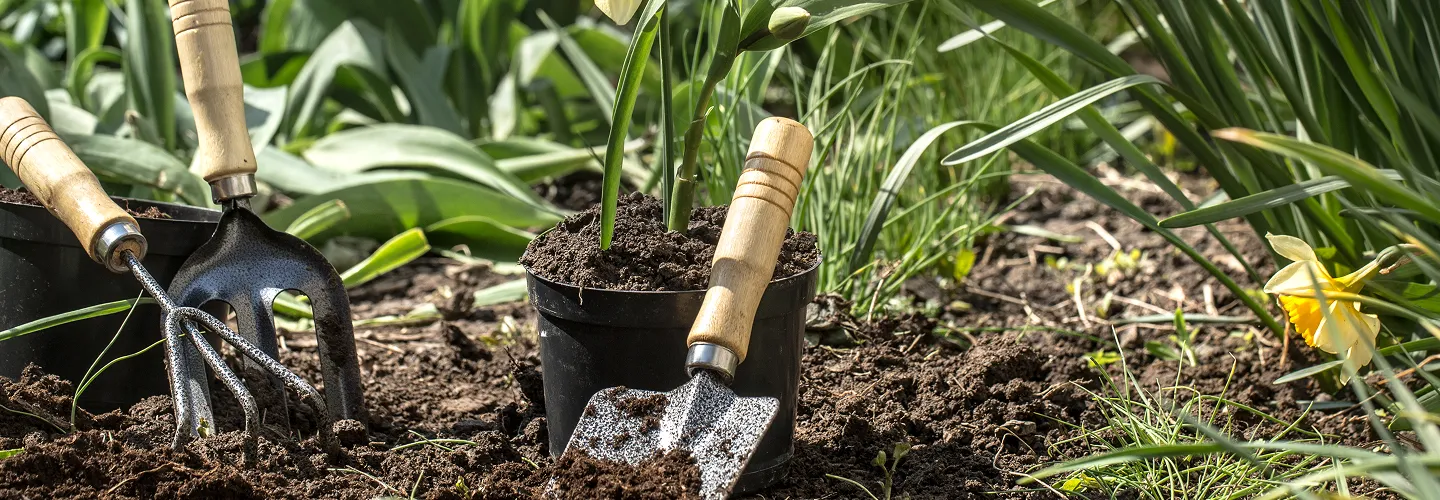
Conroe Lawn Seeding Services
Choose our professional lawn seeding services for lush, resilient grass that thrives in Conroe’s climate—enjoy a healthier, more beautiful yard with results you can see and quality you can trust.
Get a Free QuoteOur Conroe Landscaping & Yard Care Services
When to Schedule Lawn Seeding in Conroe, Texas – Seasonal Guide
In Conroe, Texas, timing your lawn seeding is crucial for achieving a lush, healthy yard that thrives in our unique climate. The best periods for seeding are typically late spring and early fall, when soil temperatures are warm enough to encourage germination but not so hot as to stress young grass. Conroe’s proximity to Lake Conroe and the Sam Houston National Forest means our area experiences high humidity and occasional heavy rainfall, which can both benefit and challenge new lawns. It’s important to consider the last frost date—usually in early March—and the onset of summer heat, which can arrive quickly and bring drought risk.
Neighborhoods like April Sound and Grand Central Park often have a mix of shaded and sunny lawns, with soil ranging from sandy loam to heavier clay. These local conditions, along with factors such as tree canopy coverage and municipal watering restrictions, play a significant role in determining the optimal seeding window. For more information on local environmental guidelines, visit the Sudbury municipal site.
Local Factors to Consider for Lawn Seeding in Conroe
- Tree density and shade coverage (e.g., mature oaks in River Plantation)
- Soil type and drainage (sandy soils near Stewart’s Forest vs. clay in Barton Woods)
- Average precipitation and drought risk
- Frost dates and seasonal temperature swings
- Terrain slope and erosion potential
- Municipal watering schedules and restrictions
Benefits of Lawn Seeding in Conroe

Thicker, Healthier Lawns
Improved Curb Appeal
Enhanced Weed Resistance
Customized Grass Selection
Cost-Effective Lawn Solutions
Expert Local Knowledge

Conroe Lawn Seeding Types

Bermuda Grass Seeding
Bermuda grass is a popular choice for its drought tolerance and durability in high-traffic areas.
-
Zoysia Grass Seeding
Zoysia grass offers a dense, lush lawn with excellent heat and drought resistance.
-
St. Augustine Grass Seeding
St. Augustine grass thrives in warm climates and provides a thick, carpet-like appearance.
-
Fescue Grass Seeding
Fescue grass is ideal for shaded areas and maintains its green color throughout the year.
-
Ryegrass Seeding
Ryegrass is commonly used for overseeding and provides quick, vibrant green coverage.
-
Centipede Grass Seeding
Centipede grass is low-maintenance and well-suited for acidic soils in the Conroe area.
Our Lawn Seeding Process
Site Evaluation
Soil Preparation
Seed Selection
Seeding Application
Watering and Maintenance
Why Choose Conroe Landscape Services
-
Conroe Homeowners Trust Us
-
Expert Lawn Maintenance
-
Reliable Scheduling
-
Competitive Pricing
-
Professional Team
-
Satisfaction Guarantee
-
Personalized Service
Soil Series and Drainage Considerations for Lawn Seeding in Conroe
Conroe’s predominant soils, including the Lufkin fine sandy loam and the League clay series, present unique challenges for lawn seeding due to their variable drainage and compaction tendencies. Lufkin soils are moderately well-drained but can become compacted in developed areas, while League clays are poorly drained and prone to seasonal saturation. Soil pH in Conroe typically ranges from 5.8 to 7.2, requiring periodic testing and amendments for optimal turf establishment. Recommended practices include:
- Conducting a soil test through Texas A&M AgriLife Extension (typical cost: $15-25)
- Incorporating 2-3 inches of compost to a 6-inch depth for improved structure
- Applying lime if pH is below 6.0 or sulfur if above 7.5
- Selecting seed varieties tolerant of periodic wetness and compaction Research local soil characteristics using the USDA Web Soil Survey for site-specific recommendations.
Optimal Seeding Windows and Climate Factors in Conroe
Conroe is located in USDA Hardiness Zone 8b, with average annual minimum temperatures of 15-20°F and a growing season exceeding 250 days. The most effective lawn seeding periods are:
- Spring: April 15 – May 30 (soil temperature 60-70°F)
- Fall: September 1 – October 15 (soil temperature 65-75°F) Avoid seeding during June-August due to high heat and drought stress. Monitor local weather forecasts through the National Weather Service Houston/Galveston Office to time seeding before significant rainfall. For cool-season grasses, target early fall; for warm-season species, late spring is preferred. Soil moisture should be maintained consistently for 2-3 weeks post-seeding. For detailed climate data, consult the USDA Plant Hardiness Zone Map.
Municipal Coordination and Lawn Seeding Ordinances in Conroe
Lawn seeding activities in Conroe must comply with city ordinances regarding equipment operation, water use, and property maintenance. Equipment operation is permitted:
- Monday-Friday: 7:00 AM – 7:00 PM
- Saturday: 8:00 AM – 6:00 PM
- Sunday and holidays: Prohibited Irrigation for new seedings must adhere to local water conservation guidelines, which may restrict watering to designated days during drought periods. All lawn renovation work must avoid obstructing sidewalks or storm drains, as per city code. For questions on compliance or to report issues, contact:
Conroe Code Enforcement Department
300 W. Davis St., Conroe, TX 77301
Phone: (936) 522-3480
Official Website: Conroe Code Enforcement Department
The department enforces property maintenance standards and can provide guidance on local ordinances.
Environmental Compliance: Stormwater and Buffer Zones in Conroe
Lawn seeding near Conroe’s water bodies, such as Lake Conroe and Stewart Creek, requires strict adherence to stormwater and buffer zone regulations. The city’s MS4 permit, administered under the Clean Water Act, prohibits the discharge of grass clippings, seed, or fertilizer into storm drains. Maintain a minimum 25-foot no-disturbance buffer from wetlands and streams. Prohibited practices include:
- Fertilizer application within 50 feet of water bodies
- Soil disturbance in protected riparian zones
- Disposal of debris in stormwater inlets For environmental compliance, coordinate with:
Conroe Stormwater Pollution Prevention Program (SWPPP)
300 W. Davis St., Conroe, TX 77301
Phone: (936) 522-3100
Official Website: Conroe Stormwater Pollution Prevention Program (SWPPP)
Statewide, the Texas Commission on Environmental Quality oversees stormwater management and environmental protection.
Professional Standards and Safety Protocols for Lawn Seeding in Conroe
Lawn seeding in Conroe must be conducted in accordance with professional safety and equipment standards. Operators are required to use:
- Eye protection: ANSI Z87.1 safety glasses
- Hearing protection: Earmuffs or plugs for noise above 85 dB
- Footwear: Steel-toed, non-slip boots
- Gloves: Cut-resistant for handling seeders and soil amendments Equipment must be commercial-grade, with seeders calibrated for local soil conditions and blades sharpened every 20-25 hours of use. Maintain a 15-foot clearance from overhead utilities and avoid seeding during prohibited hours. For additional safety and operational guidance, consult:
Conroe Public Works Department
401 Sgt. Ed Holcomb Blvd. S., Conroe, TX 77304
Phone: (936) 522-3885
Official Website: Conroe Public Works Department
What Neighborhoods Do We Serve Throughout Conroe, TX?
- River Plantation: Features sandy loam soils with moderate drainage and mature tree cover, requiring careful seed selection and frequent soil amendment.
- Graystone Hills: Newer development with compacted fill soils and sloped lots, presenting challenges for seed establishment and erosion control.
- Panorama Village: Characterized by clay-rich soils and older landscaping, necessitating core aeration and compost incorporation prior to seeding.
- Grand Central Park: Proximity to wetlands and conservation areas requires strict buffer compliance and careful management of runoff during seeding.
- April Sound: Lakeside properties with variable drainage and HOA landscaping standards, demanding precise timing and adherence to community guidelines.
- West Fork: Floodplain location with periodic saturation, making seed variety selection and drainage management critical for successful turf establishment.