
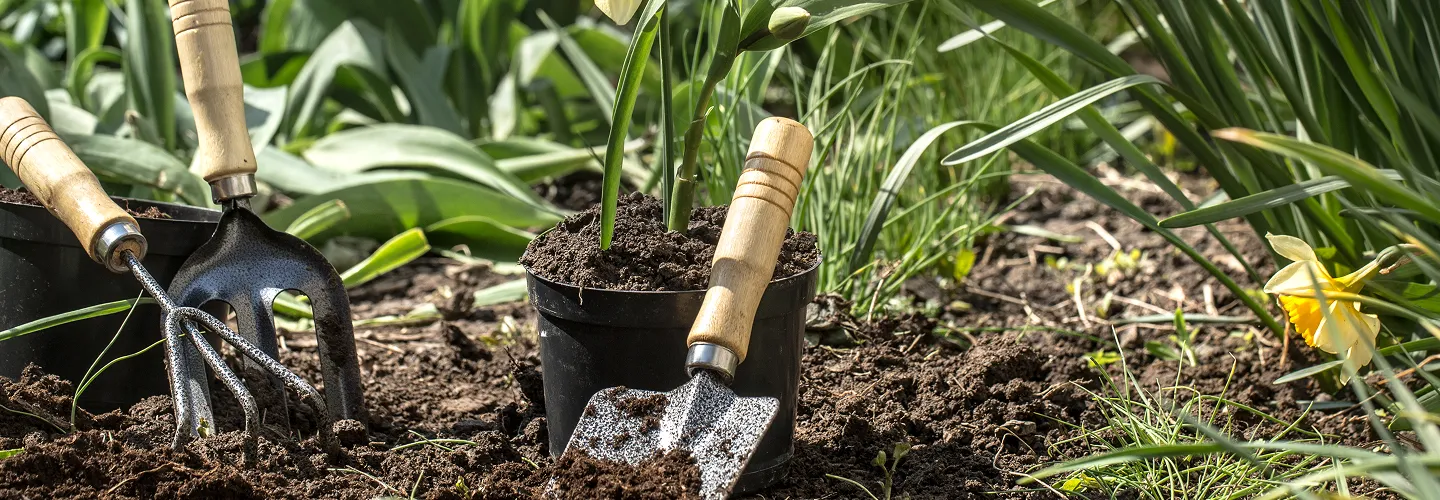
Conroe Weeding Services
Choose our expert weeding services for a healthier, more beautiful landscape—our experienced team removes unwanted growth efficiently, ensuring your plants thrive and your yard stays immaculate all season long.
Get a Free QuoteOur Conroe Landscaping & Yard Care Services
When to Schedule Weeding in Conroe, Texas – Seasonal Guide
In Conroe, Texas, the best times to schedule weeding are early spring and late fall, when temperatures are moderate and weed growth is most active. The region’s humid subtropical climate, with its warm, wet springs and hot summers, means weeds can thrive if not managed proactively. Neighborhoods near Lake Conroe and the Wedgewood Golf Course often experience rapid weed growth due to higher moisture levels and shaded areas, making timely intervention essential.
Local environmental factors such as the last frost date (typically late February), periods of drought risk in July and August, and the sandy loam soils common in areas like April Sound all play a role in determining the ideal weeding schedule. Homeowners should also consider municipal guidelines and local best practices, which can be found on the City of Conroe’s official website, to ensure compliance and optimal results.
Local Factors to Consider for Weeding in Conroe
- Tree density and shade coverage, especially in neighborhoods like River Plantation
- Soil type, such as sandy loam or clay, affecting weed root depth
- Seasonal precipitation patterns and risk of drought
- Terrain variations, including sloped yards or low-lying areas prone to pooling
- Municipal restrictions or recommended maintenance windows
Benefits of Weeding in Conroe
Enhanced Curb Appeal
Healthier Plant Growth
Reduced Pest Infestation
Improved Soil Quality
Increased Property Value
Professional and Reliable Service

Conroe Weeding Types

Hand Weeding
-
Mechanical Weeding
-
Mulching for Weed Control
-
Chemical Weed Removal
-
Flame Weeding
-
Landscape Fabric Installation
-
Selective Weed Pulling
Our Weeding Process
Site Evaluation
Weed Identification
Targeted Removal
Soil Treatment
Final Inspection
Why Choose Conroe Landscape Services
-
Conroe Homeowners Trust Us
-
Expert Lawn Maintenance
-
Reliable Scheduling
-
Competitive Pricing
-
Professional Team
-
Satisfaction Guarantee
-
Personalized Service
Soil Series and Drainage Considerations for Weeding in Conroe’s Urban Landscapes
Weeding practices in Conroe must account for the city’s predominant soil series, including the Lufkin fine sandy loam and the League clay, as identified by the USDA Web Soil Survey. These soils are characterized by moderate to poor drainage and a pH range typically between 6.0 and 7.5, which can influence weed proliferation and removal strategies. In areas with League clay, compaction and seasonal water retention may necessitate core aeration to a depth of 2-3 inches before manual or mechanical weeding. Soil testing is recommended every 2-3 years, with amendments such as lime for pH below 6.0 or sulfur for pH above 7.5. Compost incorporation at 2-3 inches tilled to a 6-inch depth improves organic matter and weed suppression. Soil test kits and guidance are available through the Texas A&M AgriLife Extension.
Conroe’s Municipal Yard Waste Collection and Weeding Debris Disposal Protocols
Proper disposal of weeding debris in Conroe is governed by municipal yard waste collection protocols. Weekly curbside pickup is scheduled every Thursday from April through November. Residents must use biodegradable bags or reusable bins (32-gallon maximum) for leaves, weeds, and brush under 4 feet in length. The following materials are prohibited: plastic bags, branches over 4 inches in diameter, and soil-laden root balls. Violations may result in code enforcement actions. For large-scale projects, debris may be taken to the city’s designated drop-off facility. Coordination with the city’s Department of Public Works ensures compliance with local ordinances and prevents stormwater contamination.
Conroe Public Works Department
300 W. Davis St., Conroe, TX 77301
Phone: (936) 522-3885
Official Website: Conroe Public Works Department
Environmental Compliance: Stormwater, Buffer Zones, and State Regulations in Conroe
Weeding activities in Conroe must comply with the city’s MS4 stormwater permit under the Clean Water Act. It is prohibited to deposit weeding debris or soil into storm drains or within 25 feet of wetlands and protected water bodies such as Lake Conroe and Stewart’s Creek. Buffer zones must be maintained, and no fertilizer or herbicide application is allowed within 50 feet of these sensitive areas. The Texas Commission on Environmental Quality (TCEQ) enforces these requirements, and violations can result in fines. For additional guidance, consult the EPA Region 6 and the city’s Stormwater Pollution Prevention Program.
Conroe Stormwater Pollution Prevention Program (SWPPP)
300 W. Davis St., Conroe, TX 77301
Phone: (936) 522-3100
Official Website: Conroe Stormwater Pollution Prevention Program (SWPPP)
Seasonal Timing and Weather Guidance for Effective Weeding in Conroe
Conroe’s USDA Hardiness Zone 8b climate, with average last frost in early March and first frost in late November, shapes optimal weeding windows. Manual and mechanical weeding is most effective from March 15 to June 15 and again from September 1 to October 31, when soil moisture is adequate and weed growth is active. Avoid weeding during peak summer (July-August) due to heat stress and rapid regrowth. Monitor local weather forecasts through the National Weather Service Houston/Galveston Office to schedule work after rainfall, which softens soil and eases root removal. For persistent perennial weeds, repeat removal every 4-6 weeks during the growing season. Mulching with 2-3 inches of organic material after weeding suppresses regrowth and conserves soil moisture.
Safety Standards and Equipment Operation for Weeding in Conroe
All weeding operations in Conroe must adhere to municipal noise ordinances and professional safety standards. Permitted equipment operation hours are:
- Monday-Friday: 7:00 AM - 7:00 PM
- Saturday: 8:00 AM - 6:00 PM
- Sunday and holidays: Prohibited
Operators must use commercial-grade trimmers and maintain blade sharpness every 20-25 hours of use. Required personal protective equipment includes:
- ANSI Z87.1 safety glasses
- Hearing protection for noise above 85 dB
- Steel-toed boots with non-slip soles
- Cut-resistant gloves for manual removal
Maintain a 15-foot clearance from overhead utilities and public sidewalks. For work near public rights-of-way, high-visibility vests are mandatory. The Conroe Code Enforcement Department monitors compliance with these standards.
Conroe Code Enforcement Department
700 Metcalf St., Conroe, TX 77301
Phone: (936) 522-3110
Official Website: Conroe Code Enforcement Department
What Neighborhoods Do We Serve Throughout Conroe, TX?
- River Plantation: Features sandy loam soils with moderate drainage, requiring frequent weeding after spring rains and attention to runoff near the San Jacinto River.
- Panorama Village: Characterized by compacted clay soils and mature landscaping, necessitating core aeration and careful root removal to prevent regrowth.
- Grand Central Park: Newer development with engineered soils and HOA landscaping standards, emphasizing compliance with mulch depth and debris containment.
- April Sound: Proximity to Lake Conroe and golf course greenspaces means strict buffer zone enforcement and heightened stormwater protection requirements.
- West Fork: Large lots with mixed soil types and heavy tree cover, presenting challenges for weed management in shaded and sloped areas.
- Downtown Conroe: Urban fill soils and narrow lot access require manual weeding methods and adherence to city noise and debris disposal ordinances.
- Graystone Hills: Rolling terrain and conservation area adjacency demand erosion control measures and compliance with city environmental buffers.