
Conroe Lawn Mowing Services
Choose us for reliable, professional lawn mowing that keeps your yard looking its best—enjoy hassle-free service, attention to detail, and a lush, healthy lawn all season long.
Get a Free QuoteOur Conroe Landscaping & Yard Care Services
When to Schedule Lawn Mowing in Conroe, Texas – Seasonal Guide
In Conroe, Texas, the timing of your lawn mowing routine is shaped by our unique blend of humid subtropical climate, rolling terrain, and the lush greenery found in neighborhoods like River Plantation and Grand Central Park. The optimal mowing season typically begins in early March, just after the last frost date, and extends through late October when growth slows due to cooler temperatures. During spring and early summer, frequent rainfall and rising temperatures spur rapid grass growth, making weekly mowing essential. As summer progresses, periods of drought or high humidity—common in areas near Lake Conroe—may require adjusting your mowing schedule to prevent stress on your lawn.
Local environmental factors such as dense shade from mature oaks in Panorama Village, sandy or clay-heavy soils, and municipal watering restrictions can all influence the best times to mow. For example, shaded lawns may grow more slowly, while open, sun-drenched yards near the Conroe Aquatic Center might need more frequent attention. Always consider these local nuances and consult resources like the Sudbury town website for updates on community guidelines or seasonal advisories.
Local Factors to Consider for Lawn Mowing in Conroe
- Tree density and shade coverage (e.g., mature oaks in Panorama Village)
- Soil type (sandy vs. clay-heavy soils)
- Precipitation patterns and drought risk
- Proximity to water features (e.g., Lake Conroe)
- Municipal watering or mowing restrictions
- Terrain and slope of your property
- Neighborhood-specific landscaping trends
Benefits of Lawn Mowing in Conroe

Professional Lawn Care Experts
Consistent Scheduling
Enhanced Curb Appeal
Time-Saving Services
Reliable Local Team
Eco-Friendly Practices
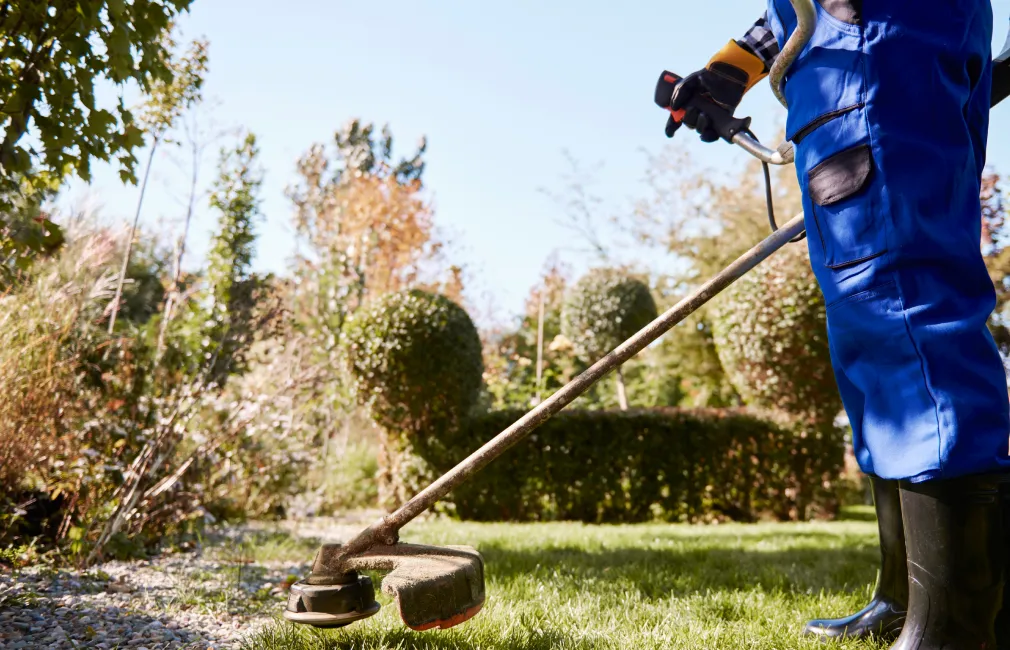
Conroe Lawn Mowing Types

Residential Lawn Mowing
-
Commercial Lawn Mowing
-
Weekly Lawn Maintenance
-
Bi-Weekly Lawn Mowing
-
One-Time Lawn Cutting
-
Seasonal Lawn Care
-
Large Property Mowing
Our Lawn Mowing Process
Site Evaluation
Lawn Preparation
Mowing Execution
Edging and Trimming
Cleanup
Why Choose Conroe Landscape Services

-
Conroe Homeowners Trust Us
-
Expert Lawn Maintenance
-
Reliable Scheduling
-
Competitive Pricing
-
Professional Team
-
Satisfaction Guarantee
-
Personalized Service
Soil Series and Drainage Considerations for Lawn Mowing in Conroe
Conroe’s predominant soils, including the Lufkin fine sandy loam and the League clay, present unique challenges for lawn mowing and turf management. These soils are characterized by moderate to poor drainage and a pH range typically between 6.0 and 7.5, which can affect grass growth and mowing frequency. Areas with League clay are prone to compaction, requiring core aeration to a depth of 2-3 inches every 2-3 years. For optimal turf health, incorporate 2-3 inches of compost tilled to a 6-inch depth and conduct soil testing through the Texas A&M AgriLife Extension (test cost: $15-25). Avoid mowing when soils are saturated to prevent rutting and compaction. For detailed soil mapping, consult the USDA Web Soil Survey.
Conroe Public Works Department
300 W. Davis St., Conroe, TX 77301
Phone: (936) 522-3885
Official Website: Conroe Public Works Department
Equipment Operation Hours and Noise Ordinance Compliance in Conroe
Lawn mowing in Conroe is regulated by municipal noise ordinances to ensure community well-being. Equipment operation is permitted during the following hours:
- Monday-Friday: 7:00 AM - 7:00 PM
- Saturday: 8:00 AM - 6:00 PM
- Sunday and holidays: Prohibited All commercial mowers must maintain mufflers in working condition, with noise levels not exceeding 85 decibels at property lines. Violations may result in fines or enforcement actions by the city. Operators are required to wear ANSI Z87.1 safety glasses and hearing protection for equipment producing noise above 85 dB. For clarification on local ordinances or to report violations, contact:
Conroe Code Enforcement Department
700 Metcalf St., Conroe, TX 77301
Phone: (936) 522-3842
Official Website: Conroe Code Enforcement Department
Stormwater Compliance and Clipping Disposal Near Conroe’s Waterways
Proper management of grass clippings and yard waste is essential to protect Conroe’s waterways, including Lake Conroe and the West Fork San Jacinto River. The city’s MS4 permit, regulated under the Clean Water Act and Texas Water Code, prohibits disposal of clippings in storm drains or within 25 feet of wetlands. Weekly yard waste collection occurs every Thursday from April through November. Accepted materials include grass, leaves, and brush under 4 feet, placed in biodegradable bags or 32-gallon bins; plastic bags and branches over 4 inches in diameter are prohibited. For environmental compliance, consult:
Conroe Stormwater Pollution Prevention Program (SWPPP)
401 Sgt. Ed Holcomb Blvd. S., Conroe, TX 77304
Phone: (936) 522-3100
Official Website: Conroe Stormwater Pollution Prevention Program (SWPPP)
Optimal Lawn Mowing Timing for Conroe’s Climate Zone 8b
Conroe is located in USDA Hardiness Zone 8b, with a long growing season and average last frost in early March. The ideal mowing season extends from March 15 to November 15. For warm-season grasses such as St. Augustine and Bermuda, maintain mowing heights of 2.5-3 inches and mow weekly during peak growth (April-September). Avoid mowing during midday heat (above 90°F) to reduce turf stress. Spring and fall are optimal for core aeration and overseeding. For weather-specific scheduling, consult the National Weather Service Houston/Galveston Office. For monthly turf management guidance, refer to Texas A&M AgriLife Extension.
What Neighborhoods Do We Serve Throughout Conroe, TX?
- River Plantation: Features sandy loam soils with moderate drainage and mature tree cover, requiring frequent mowing and careful navigation around roots and slopes.
- Graystone Hills: Newer development with compacted fill soils and efficient drainage systems; mowing schedules must account for HOA standards and uniform lot sizes.
- Panorama Village: Characterized by clay-rich soils and older landscaping, presenting challenges with soil compaction and seasonal wetness.
- Grand Central Park: Proximity to wetlands and conservation areas necessitates strict adherence to buffer zones and clipping disposal regulations.
- April Sound: Located near Lake Conroe, this area has variable soils and frequent irrigation, requiring attention to runoff and stormwater compliance.
- West Fork: Large lots with mixed soil types and heavy tree coverage, demanding specialized mowing equipment and careful debris management.
- Downtown Conroe: Urban soils with high compaction and limited green space, requiring regular aeration and compliance with city noise ordinances.